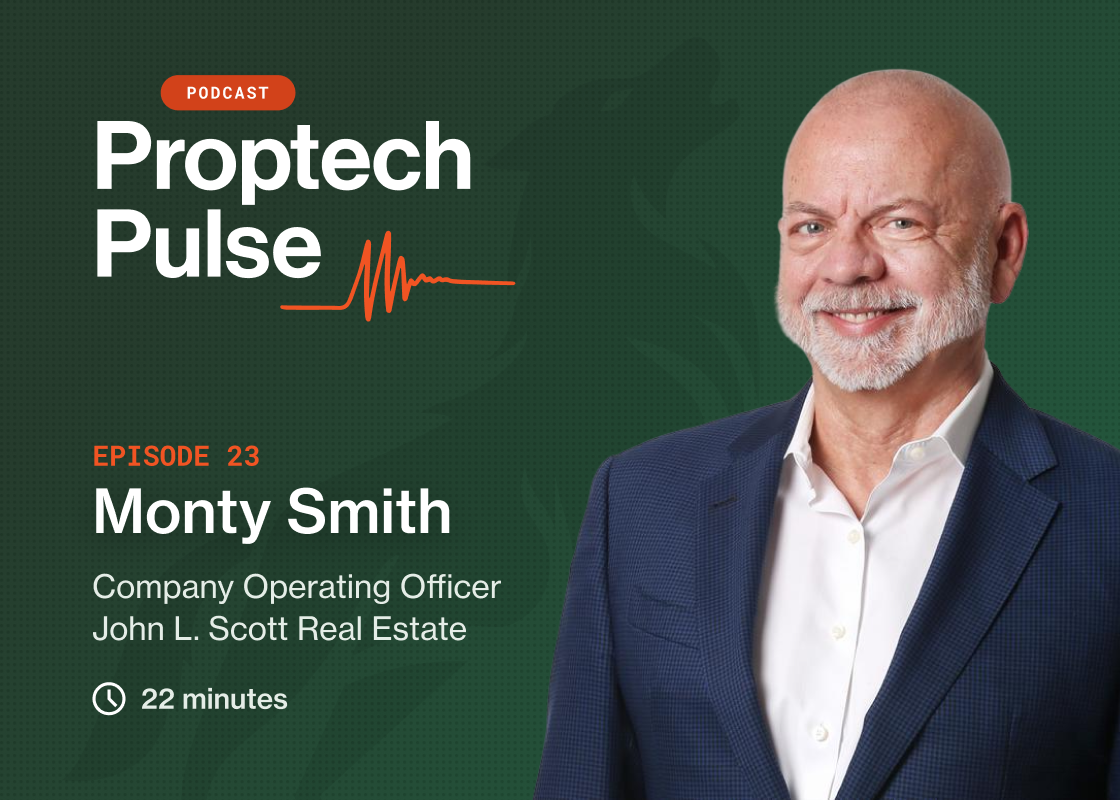
Cutting through the noise: Monty Smith on tech adoption and local real estate
How can real estate brokerages drive high tech adoption without falling into the trap of the "shiny penny syndrome"? In this episode, Monty Smith, Chief Operating Officer of John L. Scott Real Estate and a 34-year industry veteran with a Columbia master’s in human capital management, explains how to build an ongoing execution strategy that puts relationships first. Smith shares practical insights from his transition from large national corporations to a leading regional brand, showing how aligning tools with company culture can yield tool adoption rates over 85 percent. As the housing market faces shifting media headlines and a rapid wave of AI tools, this timely conversation details how to use area-specific market data and secure communication channels to safeguard clients and support agents. Rather than chasing quick transactions or using artificial intelligence just for the sake of novelty, Smith explains why local, face-to-face connections remain the heart of real estate technology. Listeners will walk away with a clear strategy for choosing new tech solutions, cutting through sensationalized news, and using straightforward data to build deeper client trust in any market landscape.
Subscribe on your favorite platform:
What you'll discover in this episode.
Monty Smith brings more than three decades of deep real estate operations experience to this conversation. He started his career in the Minneapolis-St. Paul market before spending 17 years on the national staff of NRT, where he oversaw brokerage companies operating across 35 major metropolitan areas. To deepen his understanding of workforce dynamics, he earned a master's degree in human capital management from Columbia University, equipping him with a specialized skill set tailored to managing the people-centric nature of the real estate sector.
Currently serving as the Chief Operating Officer of John L. Scott Real Estate, Smith helps lead a prominent, privately held regional independent brand in the Pacific Northwest. Celebrating its 95th anniversary, the firm operates across Washington, Oregon, Idaho, and Northern California with a flat organizational structure designed to stay highly responsive to its brokers. The company focuses heavily on integrating its core culture directly into its operations and technology offerings, ensuring that any business tool serves to enhance local connections.
His unique blend of large-scale corporate experience and regional independent leadership offers a vital perspective for today's real estate professionals. Smith understands how to balance necessary economies of scale with the fundamentally local reality of real estate transactions. His insights help industry leaders design long-term strategies that protect margins, support field agents, and keep client trust intact during periods of technological disruption.
Brokerages today face immense pressure to keep pace with rapid technological changes, especially with the sudden wave of artificial intelligence tools hitting the market. This landscape often leads companies to fall into what Smith calls the shiny penny syndrome, where leadership continuously chases the newest tools without a clear plan for long-term integration. The real challenge lies in driving high technology adoption among independent contractors who are traditionally resistant to operational changes, all while maintaining the security of sensitive transaction data.
Smith counters this problem by focusing on ongoing execution rather than simple product rollouts. Under his operational leadership, John L. Scott Real Estate achieves remarkable technology adoption rates, including over 85 percent of brokers actively utilizing the company's branded email infrastructure. His framework requires that every piece of the technology stack directly support the company culture and ethos. Instead of adopting technology for its own sake, tools are carefully vetted through internal focus groups and roadmaps to ensure they strengthen face-to-face relationships.
Conventional industry wisdom often emphasizes maximizing transaction volume through automated pipelines and cold digital tracking. Smith argues that true stability comes from placing relationships at the heart of the organization rather than chasing isolated transactions. He notes that while new technology like AI can be utilized for good or ill, real estate remains a localized business won at individual kitchen tables. By using tools to support rather than replace human connection, brokerages can build an enduring brand that outlasts shifting market cycles.
Listeners will learn how to apply these concepts by providing area-specific, data-backed information to help clients cut through sensationalized media headlines. Smith highlights how using secure platforms like Microsoft Office 365 safeguards clients from sophisticated, AI-fueled phishing attempts during a transaction. Drawing from his 34 years of industry history and his background in human capital, Smith provides a practical blueprint for implementing consumer-facing and broker-facing AI solutions that protect margins and deepen client loyalty.

This episode explores:
- Real estate technology adoption: Strategies for achieving over 85 percent agent engagement by aligning tools with company culture.
- The local business reality: Why understanding area-specific customs and traditions is vital for regional brokerage success.
- Human capital management: Applying specialized organizational strategies to motivate, recruit, and retain a real estate workforce.
- The shiny penny syndrome: How to avoid the trap of constantly chasing new software solutions without a long-term execution plan.
- Data security in transactions: Using secure corporate email infrastructure to protect clients from advanced AI-driven phishing scams.
- Cutting through media noise: Utilizing accurate local market data to counter sensationalized real estate headlines.
- Relationship-centric business models: Shifting focus from chasing short-term transactions to building long-term client trust.
- AI implementation strategies: Vetting and deploying broker-facing and consumer-facing artificial intelligence tools responsibly.
- Corporate versus independent brokerage: Key lessons learned from transitioning from national institutions to a regional independent brand.
- Long-term brand endurance: Honoring a 95-year company history while evolving operational strategies for the next decade.
This episode is essential listening for real estate brokers, brokerage owners, and operations executives who want to boost technology adoption and protect their transaction pipelines. As artificial intelligence and industry consolidation redefine the real estate landscape, staying grounded in verified data and relationship-first frameworks is more urgent than ever. Smith provides the precise operational playbook needed to filter out market noise, implement secure tools, and empower agents to secure a competitive edge in their local markets today.
Insights you can apply starting today

Real estate functions primarily as a neighborhood-based enterprise rather than a uniform national market. Brokerages often falter when they attempt to overly standardize operations across vastly different geographic regions, which inadvertently strips away the specialized knowledge that field agents require to serve their clients effectively. Monty Smith emphasizes that understanding area-specific traditions, local customs, and market flavors is vital for any brokerage seeking long-term regional stability.
Operations executives can apply this insight by structuring their corporate organizations to respect local operational differences while still leveraging main office resources for back-end overhead. Smith advises that companies should bring economies of scale only where it makes clear strategic sense without disrupting regional identity. He underscores this local operational reality by stating, "We are a business that is successful home by home, kitchen table by kitchen table."
This structural approach provides a clear strategic framework for independent regional brands to combat massive industry consolidation. By intentionally empowering field leaders to customize their business tools to the unique needs of their local markets, brokerages build deeper community connections that large national tech platforms cannot easily duplicate.
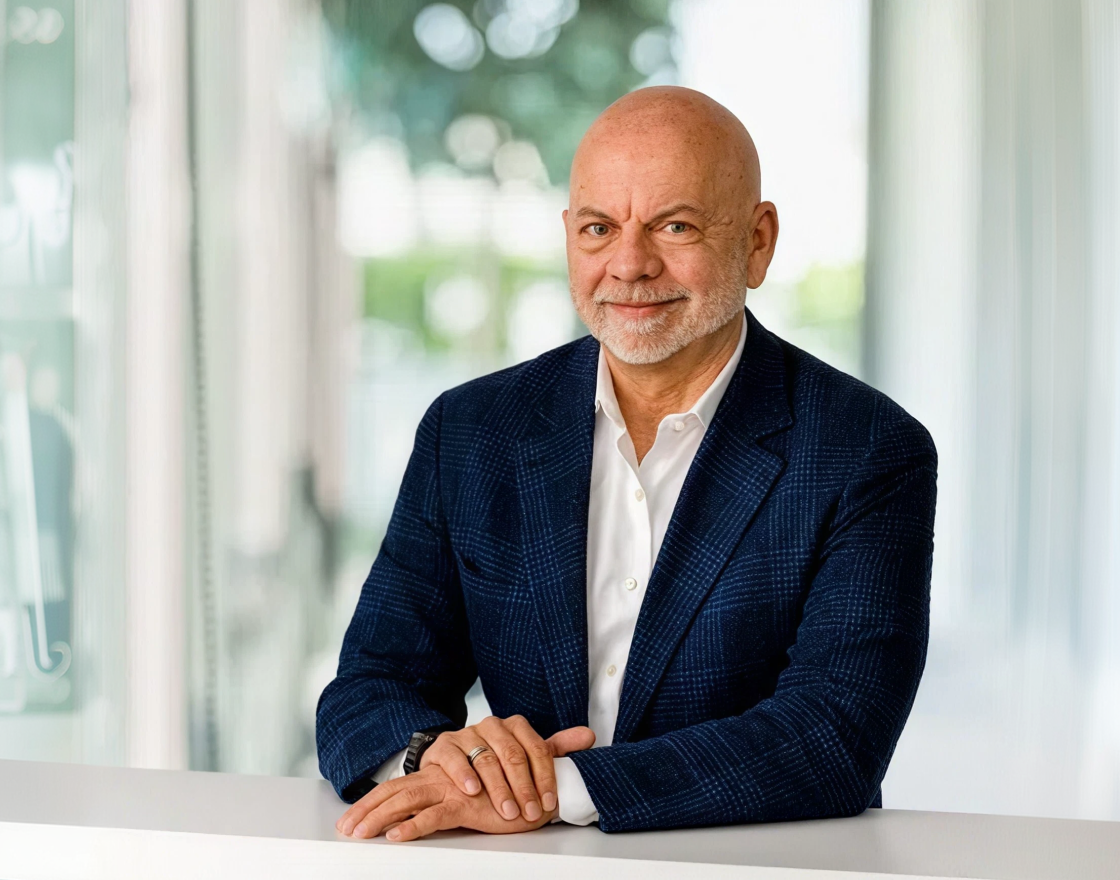
About Monty Smith, Chief Operating Officer of John L. Scott Real Estate
Monty Smith is an accomplished real estate operations executive who serves as the Chief Operating Officer (COO) of John L. Scott Real Estate. Stepping into the COO position in January 2023, Smith directs operational strategies within a flat, highly responsive corporate environment across the Pacific Northwest network, which spans Washington, Oregon, Idaho, and Northern California. In this role, he coordinates efforts between company-owned offices, extensive franchise affiliate networks, and core corporate departments—including legal counsel, finance, and technology teams—to turn long-term corporate vision into practical field execution.
A major differentiator in Smith’s leadership approach is his deep understanding of workforce dynamics, agent engagement, and corporate culture. He completed a rigorous two-year Master’s degree in Human Capital Management from Columbia University, a specialized program centered on optimizing organizational performance through the human element. This academic background directly guides his management philosophy in residential real estate, an industry deeply reliant on interpersonal networks. Smith applies this expertise to design operational frameworks that effectively educate, inspire, recruit, and retain real estate professionals by keeping human connections at the center of business growth.
With an industry career spanning more than 34 years, Smith’s professional journey began in the Minneapolis-St. Paul housing market. He entered the real estate field by joining the Burnard Organization, which at the time stood as the fourth largest residential real estate brokerage in the United States. Working under the leadership of entrepreneurial founder Ralph Burnhardt, Smith spent five years immersed in a fast-paced, market-leading independent brokerage environment. This early period gave him an enduring appreciation for agile, relationship-centered independent business models that honor local market flavors and area-specific customs.
Following the sale of the Burnard Organization to NRT, Smith spent another five years managing operations within that expanded metropolitan corporate structure. His operational acumen and success in the field led to an appointment to NRT's national staff in 2002, where he oversaw brokerage companies and operational rollouts across 35 major metropolitan markets nationwide. Over a distinguished 17-year tenure on the national team, Smith mastered the complexities of large-scale corporate systems, gaining a rare macro-level perspective on how to maximize structural economies of scale without losing touch with neighborhood real estate realities.
Following a corporate restructuring in 2019 that eliminated his national role, Smith returned to his independent roots by bringing his extensive corporate and regional experience to John L. Scott Real Estate. His disciplined operational leadership helps the firm completely avoid "shiny penny syndrome"—the industry-wide trap of constantly chasing new software tools without a sustainable plan for long-term integration. By prioritizing ongoing, everyday execution and cultural alignment over temporary software launches, Smith has driven unprecedented technology adoption, including an 85 percent utilization rate for the company’s secure Microsoft Office 365 email domain. His balanced framework ensures that artificial intelligence and digital tools are deployed responsibly to protect company margins, safeguard client data, and support agents in building deep, face-to-face consumer trust.
Connect with Monty Smith:
FAQ about this episode.
This episode addresses the challenge of overcoming agent reluctance to new technology and avoiding the "shiny penny syndrome" where brokerages constantly chase new tools without sustained adoption. Guest Monty Smith, the Chief Operating Officer of John L. Scott Real Estate, explains that real estate firms often struggle with low technology adoption rates, frequently hovering around 20% to 30%. To counter this, Smith emphasizes that technology stacks must directly reflect and support the existing company culture rather than just offering features for the sake of novelty. By shifting the operational focus from the initial product launch to long-term, ongoing execution and reinforcement, brokerages can transform technology tools into valuable corporate assets. This strategic alignment ensures that agents clearly see the practical value of the tech, leading to exceptionally high engagement levels across both franchise networks and company-owned operations.
Related episodes: Continue your learning journey.
Episode 3: Innovating real estate relationships through technology
Explore how technology enhances client relationships when deployed thoughtfully, building on Stacie's foundation of balancing automation with personal connection.
Episode 4: The evolution and future of MLS with Greg Robertson
Learn about technology evolution from a long-term industry perspective, building context for why deliberate vendor decisions matter.
Episode 5: The future of MLS technology with Jeremy Crawford
Explore how MLSs evaluate technology partnerships and prioritize member needs, reinforcing themes about relationship-based vendor selection.
Mentioned in this episode
Guest organizations:
- John L. Scott Real Estate is a prominent, privately held regional independent real estate brokerage operating across Washington, Oregon, Idaho, and Northern California. Celebrating its 95th anniversary, the firm positions itself as an industry leader by anchoring its operations in relationship-driven local market success and a highly responsive, flat corporate structure.
Guest contact:
- Monty Smith, Chief Operating Officer at John L. Scott Real Estate, leading operational strategy, cross-departmental collaboration, and technology infrastructure deployment.
- Education/Credentials: Master’s Degree in Human Capital Management from Columbia University.
- Experience Summary: A 34-year veteran of the residential real estate industry, Smith began his career at the Burnard Organization in Minneapolis-St. Paul, served for 17 years on the national staff at NRT overseeing operations across 35 major metropolitan markets, and currently leads regional growth strategies at John L. Scott Real Estate.
Key concepts discussed:
- Real estate technology adoption: Overcoming contractor resistance and achieving software utilization rates above 85% through continuous operational execution and everlasting training.
- Shiny penny syndrome: An industry-wide operational trap where leadership continuously chases new software tools without a long-term plan for sustainable integration.
- Local market customs: Understanding neighborhood-level traditions, flavors, and transactions to preserve a competitive edge over over-standardized national platforms.
- Human capital management: Applying specialized workforce development strategies to effectively educate, motivate, recruit, and retain real estate sales forces.
- Data security in transactions: Standardizing on enterprise-grade infrastructure like Microsoft Office 365 to establish secure communication environments and block advanced AI-driven phishing scams.
- Cutting through media noise: Supplying offices with hyper-local, data-backed market statistics to counter sensationalized national housing headlines and restore consumer confidence.
- Relationship-first frameworks: Structuring business models around lifelong client connections and referral networks rather than solely chasing short-term transaction volumes.
- AI tool implementation: Vetting broker-facing and consumer-facing artificial intelligence applications through internal focus groups to ensure strict alignment with company culture.
Additional resources:
- Propertybase Salesforce Edition: Lone Wolf's enterprise-grade CRM platform built on Salesforce that enables brokerages to deeply customize lead generation, listings, and workflows into an enhanced, unified workspace.
- Lone Wolf Back Office: The industry's most trusted operational software, helping real estate brokerages streamline financial management, simplify compliance, and protect company margins.
Connect with PropTech Pulse:
Ready to eliminate shiny penny syndrome and drive true tech adoption?
Building a resilient brokerage requires technology that empowers your agents instead of overwhelming them. As Monty Smith shared, operational success happens when software aligns with your unique culture and strengthens face-to-face connections. Lone Wolf helps you turn this strategy into everyday execution by providing a steady, reliable foundation for your entire business network.
Our practical solutions simplify backend administrative tasks, protect your margins, and safeguard client financial transactions from digital risks. By removing daily friction and delivering clear insights, we enable your team to cut through market noise and focus entirely on cultivating client trust. Let us support your agents and help you build an enduring brand.